Vehicle Transport Solutions: Car Shipping Options Explained
- bmartin221
- Mar 16
- 3 min read
When you need to move a vehicle from one place to another, understanding your options is key. Whether you’re relocating, buying a car online, or managing a business fleet, knowing the best vehicle transport solutions can save you time, money, and stress. I’ve gathered clear, practical information to help you navigate the world of vehicle transport with confidence.
Exploring Vehicle Transport Solutions: What Are Your Choices?
Vehicle transport solutions come in several forms, each suited to different needs and budgets. Here’s a breakdown of the most common options:
Open Carrier Transport
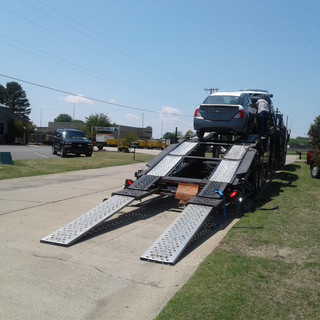
This is the most popular and cost-effective method. Your vehicle is loaded onto an open trailer, often stacked with other cars. While your car is exposed to weather and road debris, this method is reliable and widely used.
Pros: Affordable, widely available, fast delivery.
Cons: Exposure to elements, less privacy.
Enclosed Carrier Transport
If you want extra protection, enclosed carriers shield your vehicle from weather and road hazards. This option is ideal for luxury, classic, or high-value cars.
Pros: Maximum protection, less risk of damage.
Cons: More expensive, limited availability.
Door-to-Door vs. Terminal-to-Terminal
Door-to-Door: The carrier picks up and delivers your vehicle at specified addresses. This is convenient but may cost more.
Terminal-to-Terminal: You drop off and pick up your vehicle at designated terminals. This option is cheaper but less convenient.
Expedited Shipping
If you need your vehicle quickly, expedited shipping speeds up the process. It’s perfect for urgent moves but comes at a premium price.
Driveaway Service
In some cases, a professional driver will drive your car to the destination. This can be cost-effective for short distances but adds mileage and wear to your vehicle.

How Much Does It Usually Cost to Ship Your Car?
Cost is a major factor when choosing vehicle transport solutions. Several elements influence the price:
Distance: Longer distances generally cost more.
Vehicle Size and Weight: Larger vehicles require more space and fuel.
Transport Type: Enclosed carriers cost more than open carriers.
Season: Prices can rise during peak moving seasons.
Pickup and Delivery Locations: Remote or hard-to-access areas may increase costs.
On average, shipping a standard sedan across the country can range from $700 to $1,200. For shorter distances, expect lower rates, sometimes as low as $200. Luxury or oversized vehicles can push the price higher.
To get the best deal, request quotes from multiple providers and ask about any hidden fees. Also, consider insurance coverage and delivery timeframes.
Preparing Your Vehicle for Transport: Step-by-Step
Before handing over your vehicle, preparation is essential. Follow these steps to ensure a smooth process:
Clean Your Car: A clean vehicle makes it easier to inspect for existing damage.
Document Condition: Take photos from all angles and note any scratches or dents.
Remove Personal Items: Most carriers prohibit personal belongings inside the vehicle.
Check for Leaks and Mechanical Issues: Your car should be in good working order.
Keep Fuel Tank Low: About a quarter tank is enough to move the car but keeps weight down.
Disable Alarms: Prevent unnecessary battery drain or disruptions during transport.
Gather Necessary Documents: Have your registration and insurance ready.
Following these steps helps protect your vehicle and speeds up the pickup process.
What to Expect During Vehicle Transport
Understanding the transport process can ease your mind. Here’s what typically happens:
Booking: You provide details about your vehicle and locations.
Pickup Scheduling: The carrier contacts you to arrange pickup.
Vehicle Inspection: Both you and the driver inspect the car and sign a condition report.
Transport: Your vehicle is loaded and transported to the destination.
Delivery: Upon arrival, you inspect the vehicle again and sign off on delivery.
Communication is key throughout. Stay in touch with the carrier and ask questions if anything is unclear.

Choosing the Right Vehicle Transport Solution for You
Selecting the best option depends on your priorities:
Budget: If cost is your main concern, open carrier and terminal-to-terminal shipping are good choices.
Protection: For valuable or classic cars, enclosed carriers offer peace of mind.
Convenience: Door-to-door service saves time and effort.
Speed: Expedited shipping gets your vehicle there faster.
Distance: For short moves, driveaway services might be practical.
I recommend weighing these factors carefully. Also, check reviews and verify the carrier’s credentials to ensure reliability.
If you want a hassle-free experience, consider working with a trusted company that specializes in secure and reliable vehicle transport solutions. They can guide you through the process and provide peace of mind.
By understanding your options and preparing properly, you can make vehicle transport a smooth and stress-free experience. Whether moving across town or across the country, the right solution is out there waiting for you. For more detailed information and to explore your options, check out this car shipping resource.


Comments