


The Role of Vehicle Shipment Intermediaries in Auto Transport
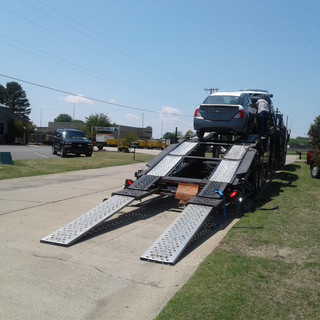
When you need to move a vehicle from one place to another, the process can feel overwhelming. Whether you’re relocating, buying a car online, or managing a business fleet, arranging safe and timely transport is crucial. This is where vehicle shipment intermediaries come into play. They act as the bridge between you and the carriers who physically move your vehicle. Understanding their role can help you make smarter decisions and ensure your vehicle arrives safely.
What Are Vehicle Shipment Intermediaries?
Vehicle shipment intermediaries, often called brokers, connect customers with auto transport carriers. They do not own trucks or transport vehicles themselves. Instead, they coordinate the logistics, find the best carriers, and handle the paperwork. Their job is to simplify the shipping process for you.
Think of them as travel agents for your car. You tell them where your vehicle needs to go, and they find the right carrier to get it there. This saves you time and effort because you don’t have to contact multiple carriers or negotiate prices yourself.
How Vehicle Shipment Intermediaries Work
Request a Quote: You provide details about your vehicle, pickup, and delivery locations.
Carrier Matching: The intermediary searches their network of carriers to find the best fit.
Booking and Paperwork: They handle contracts, insurance verification, and scheduling.
Vehicle Pickup and Delivery: The carrier transports your vehicle, and the intermediary keeps you updated.
Customer Support: They assist with any issues or questions during the shipment.
This process ensures you get a reliable carrier without the hassle of managing every step.

Why Use Vehicle Shipment Intermediaries?
Using vehicle shipment intermediaries offers several advantages, especially if you want peace of mind and convenience.
Access to a Wide Network of Carriers
Intermediaries work with many carriers, giving you more options. This means they can find a carrier that fits your schedule, budget, and vehicle type. For example, if you have a classic car that needs enclosed transport, they can locate a carrier specializing in that service.
Simplified Communication
Instead of contacting multiple carriers, you communicate with one point of contact. This reduces confusion and streamlines updates. If any issues arise, the intermediary handles them on your behalf.
Competitive Pricing
Because intermediaries have relationships with many carriers, they can negotiate better rates. They also help you avoid scams by vetting carriers for insurance and licensing.
Time Savings
You don’t have to spend hours researching and calling carriers. The intermediary does the legwork, freeing you to focus on other tasks.
Risk Management
A reputable intermediary verifies carrier credentials and insurance. This protects you from potential damage or fraud.
How to Choose the Right Vehicle Shipment Intermediary
Not all intermediaries are created equal. Here are some tips to help you select a trustworthy partner:
Check Credentials and Reviews
Look for intermediaries registered with the Federal Motor Carrier Safety Administration (FMCSA). Read customer reviews on trusted platforms to gauge reliability.
Ask About Carrier Vetting
Ensure they thoroughly screen carriers for insurance, safety records, and experience.
Understand Pricing and Fees
Get a clear breakdown of costs upfront. Watch out for hidden fees or unusually low quotes that seem too good to be true.
Evaluate Customer Service
Choose an intermediary who communicates clearly and promptly. Good customer service can make a big difference during transport.
Confirm Insurance Coverage
Ask about insurance policies covering your vehicle during transit. Know what is covered and what isn’t.
By following these steps, you can avoid common pitfalls and select an intermediary who prioritizes your vehicle’s safety.

What to Expect During the Vehicle Shipping Process
Understanding the shipping process helps you prepare and reduces stress.
Step 1: Requesting a Quote and Booking
You provide details such as vehicle make, model, pickup, and delivery addresses. The intermediary then offers a quote based on these factors.
Step 2: Preparing Your Vehicle
Before pickup, clean your vehicle and remove personal items. Check for existing damage and take photos for your records.
Step 3: Vehicle Pickup
The carrier arrives at the scheduled time to load your vehicle. You or a representative should be present to inspect the vehicle and sign the bill of lading.
Step 4: Transit and Updates
The vehicle is transported to the destination. The intermediary or carrier may provide tracking updates.
Step 5: Delivery and Inspection
Upon delivery, inspect your vehicle carefully. Note any new damage on the delivery receipt. If there are issues, report them immediately to the intermediary.
Step 6: Finalizing Payment
Payment terms vary, but often you pay a deposit upfront and the balance upon delivery.
Knowing these steps helps you stay organized and confident throughout the process.
How an auto shipping broker Can Make a Difference
Working with an auto shipping broker can transform your vehicle transport experience. They bring expertise, connections, and customer care that individual shippers may lack.
For example, if you’re relocating across states, a broker can coordinate multiple carriers to ensure your vehicle arrives on time. They also handle unexpected delays or route changes, keeping you informed every step of the way.
If you own a business with a fleet, brokers can manage regular shipments efficiently, saving you time and reducing administrative burdens.
By choosing a reliable broker, you gain a partner who understands the complexities of vehicle transport and works to protect your interests.
Tips for a Smooth Vehicle Shipping Experience
To get the best results, follow these practical tips:
Book Early: Schedule your shipment well in advance, especially during peak seasons.
Provide Accurate Information: Give precise details about your vehicle and locations to avoid surprises.
Prepare Your Vehicle: Remove valuables, disable alarms, and ensure the gas tank is about a quarter full.
Stay Available: Keep your phone handy for carrier updates or questions.
Document Everything: Take photos before and after transport to document your vehicle’s condition.
Ask Questions: Don’t hesitate to ask your intermediary about any concerns or special requirements.
These steps help prevent delays and ensure your vehicle arrives safely.
Building Trust with Your Vehicle Shipment Intermediary
Trust is key when handing over your vehicle to someone else. Here’s how to build a strong relationship with your intermediary:
Communicate Clearly: Share your expectations and any special instructions.
Request References: Ask for testimonials or references from past customers.
Verify Credentials: Confirm their registration and insurance status.
Stay Involved: Follow up regularly and ask for updates.
Provide Feedback: Share your experience to help improve their service.
A trustworthy intermediary values transparency and customer satisfaction. When you find one, you can rely on them for future shipments.
Vehicle shipment intermediaries play a vital role in making vehicle transport easier and safer. By understanding their function and choosing the right partner, you can enjoy a hassle-free shipping experience. Whether moving a single car or managing a fleet, these intermediaries provide the expertise and support you need to protect your vehicle and your peace of mind.


Comments