


Factors Influencing Vehicle Shipping Costs
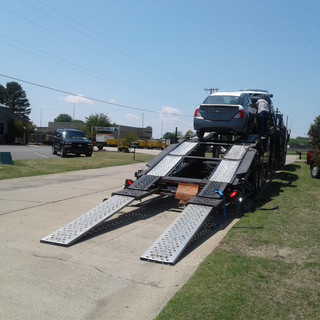
When you need to move a vehicle from one place to another, understanding the factors influencing vehicle shipping costs can help you plan better and avoid surprises. Whether you’re relocating, buying a car from another state, or managing a business fleet, knowing what affects the price will empower you to make smart decisions. I’ll walk you through the key elements that impact the cost of shipping your vehicle, so you can approach this process with confidence.
Understanding Vehicle Shipping Costs
Vehicle shipping costs vary widely depending on several factors. The price you pay is not just about the distance your car travels. It also depends on the type of vehicle, the shipping method, and even the time of year. Let’s break down these components to give you a clearer picture.
Distance and Route
The most obvious factor is the distance between the pickup and delivery locations. Longer distances generally mean higher costs because of fuel, labor, and time. However, the route also matters. Shipping to or from remote or less accessible areas can increase the price. For example, transporting a car from a major city to a rural town might cost more than shipping between two urban centers.
Vehicle Size and Weight
The size and weight of your vehicle play a significant role in determining shipping costs. Larger vehicles like SUVs, trucks, or vans take up more space and weigh more, which means higher fuel consumption and fewer vehicles can be transported at once. Smaller cars are easier and cheaper to ship. If you own a classic car or a luxury vehicle, you might also want special handling, which can add to the cost.
Shipping Method
There are two main ways to ship a vehicle: open transport and enclosed transport.
Open Transport: This is the most common and affordable method. Your vehicle is loaded onto an open trailer with other cars. It’s cost-effective but exposes your car to weather and road debris.
Enclosed Transport: This method offers protection by shipping your vehicle inside a covered trailer. It’s ideal for high-value, classic, or luxury cars but comes at a higher price.
Choosing the right method depends on your budget and how much protection you want for your vehicle.

Time of Year and Demand
Shipping costs can fluctuate based on the season and demand. For example, summer months often see higher prices because more people move during this time. Winter can be cheaper but might come with weather-related delays. Planning your shipment during off-peak times can save you money.
What is the best company to ship your car with?
Choosing the right company to handle your vehicle shipment is crucial. You want a service that is reliable, transparent, and offers good value. Look for companies with positive reviews, proper licensing, and insurance coverage. A trustworthy vehicle shipping company will provide clear quotes and communicate well throughout the process.
When evaluating options, consider:
Experience and reputation: How long have they been in business? What do customers say?
Insurance coverage: Does the company offer adequate protection for your vehicle?
Customer service: Are they responsive and helpful?
Pricing transparency: Are there hidden fees or unclear terms?
Taking the time to research and ask questions will help you avoid headaches and ensure your vehicle arrives safely.
Additional Factors Affecting Vehicle Shipping Costs
Beyond the basics, several other factors can influence the final price you pay.
Vehicle Condition
If your vehicle is not running, it will require special equipment and handling, which can increase costs. Non-operational vehicles are harder to load and unload, and some carriers may charge extra or refuse to transport them.
Pickup and Delivery Locations
Shipping to or from commercial addresses like dealerships or warehouses is usually easier and cheaper. Residential pickups or deliveries might add fees because of limited access, narrow streets, or the need for special arrangements.
Expedited Shipping
If you need your vehicle delivered quickly, expedited shipping is an option. This service prioritizes your shipment but comes with a premium price. If time is flexible, standard shipping is more cost-effective.
Insurance and Liability
While most vehicle shipping companies include basic insurance, you might want additional coverage for peace of mind. This extra insurance will increase your cost but can protect you against potential damages during transit.

How to Save on Vehicle Shipping Costs
Now that you know what affects vehicle shipping costs, here are some practical tips to help you save money:
Compare multiple quotes: Don’t settle for the first price you get. Request quotes from several companies to find the best deal.
Choose open transport if possible: It’s cheaper and widely used.
Be flexible with your dates: Off-peak shipping can lower costs.
Prepare your vehicle: Remove personal items, ensure it runs well, and clean it to avoid extra fees.
Consolidate shipments: If you have multiple vehicles, shipping them together can reduce the per-vehicle cost.
Book early: Last-minute bookings often come with higher prices.
Planning Your Vehicle Shipment with Confidence
Understanding the factors influencing vehicle shipping costs helps you plan effectively and avoid unexpected expenses. By considering distance, vehicle size, shipping method, and timing, you can make informed choices that fit your budget and needs.
When you’re ready to ship, work with a reputable vehicle shipping company that prioritizes safety and customer satisfaction. Clear communication and transparency will give you peace of mind throughout the process.
Remember, shipping your vehicle doesn’t have to be stressful or costly if you approach it with the right knowledge and preparation. Take your time, ask questions, and choose wisely. Your vehicle will thank you for it.


Comments