


The Role of Vehicle Shipment Intermediaries in Auto Transport
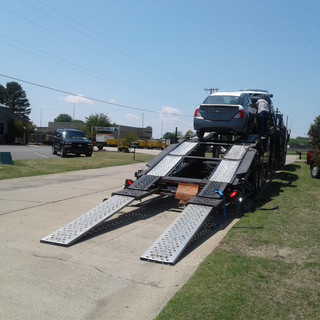
When you need to move a vehicle from one place to another, the process can feel overwhelming. Whether you’re relocating, buying a car online, or managing a business fleet, arranging safe and timely transport is crucial. This is where vehicle shipment intermediaries come into play. They act as the bridge between you and the carriers who physically move your vehicle. Understanding their role can help you make smarter decisions and ensure your vehicle arrives safely.
What Are Vehicle Shipment Intermediaries?
Vehicle shipment intermediaries, often called brokers, connect customers with auto transport carriers. They do not own trucks or transport vehicles themselves. Instead, they coordinate the logistics, find the best carriers, and handle the paperwork. Think of them as travel agents for your car’s journey.
These intermediaries simplify the process by:
Providing multiple carrier options to choose from
Negotiating competitive rates on your behalf
Scheduling pick-up and delivery times that fit your needs
Handling insurance and liability questions
Offering customer support throughout the shipment
By working with intermediaries, you avoid the hassle of contacting multiple carriers yourself. They save you time and reduce stress by managing the details.

How Vehicle Shipment Intermediaries Benefit You
Using vehicle shipment intermediaries offers several advantages, especially if you are unfamiliar with the auto transport industry. Here’s how they help:
1. Access to a Network of Trusted Carriers
Intermediaries maintain relationships with many carriers. This network allows them to find a reliable transporter who matches your schedule and budget. They vet carriers for safety records, insurance coverage, and customer reviews. This vetting process helps protect your vehicle during transit.
2. Simplified Booking Process
Instead of calling multiple companies, you provide your shipment details once. The intermediary then shops around for the best options. This saves you time and effort. They also handle all the paperwork, including contracts and insurance forms.
3. Competitive Pricing
Because intermediaries work with many carriers, they can negotiate better rates. They often have access to discounts or special deals not available to the general public. This can lower your overall shipping cost.
4. Personalized Customer Support
If any issues arise during transport, the intermediary acts as your advocate. They communicate with the carrier and keep you informed. This support provides peace of mind, especially if you are shipping a valuable or classic vehicle.
5. Flexibility and Convenience
Intermediaries can arrange door-to-door service or terminal-to-terminal shipping depending on your needs. They can also accommodate special requests like enclosed transport or expedited delivery.
How to Choose the Right Vehicle Shipment Intermediary
Selecting the right intermediary is key to a smooth vehicle transport experience. Here are some tips to help you make the best choice:
Research and Reviews
Look for companies with positive customer feedback and a strong reputation. Check online reviews and ratings on trusted platforms. Avoid intermediaries with a history of complaints or unresolved disputes.
Licensing and Insurance
Ensure the intermediary is properly licensed by the Department of Transportation (DOT) and registered with the Federal Motor Carrier Safety Administration (FMCSA). They should also require carriers to carry adequate insurance coverage.
Transparent Pricing
Ask for a detailed quote that includes all fees. Beware of intermediaries who provide vague estimates or add hidden charges later. A reputable intermediary will explain pricing clearly upfront.
Communication
Choose an intermediary who responds promptly and answers your questions thoroughly. Good communication is essential for coordinating pick-up and delivery smoothly.
Experience and Specialization
Some intermediaries specialize in certain types of vehicles, such as classic cars, motorcycles, or commercial fleets. If you have special requirements, find an intermediary with relevant experience.
What to Expect During the Vehicle Shipping Process
Understanding the steps involved can help you prepare and avoid surprises. Here’s a typical timeline when working with vehicle shipment intermediaries:
Request a Quote
Provide details about your vehicle, pick-up and delivery locations, and preferred dates.
Receive and Compare Offers
The intermediary will present options from different carriers. Review pricing, transit times, and service types.
Book Your Shipment
Confirm your choice and sign the contract. The intermediary schedules the carrier.
Vehicle Pick-Up
The carrier inspects your vehicle and notes its condition. You should be present to verify this.
Transport and Tracking
Your vehicle is loaded and transported. Some carriers offer GPS tracking or regular updates.
Delivery and Final Inspection
Upon arrival, inspect your vehicle for any damage. Sign the delivery receipt to complete the process.
Following these steps carefully ensures your vehicle shipment goes smoothly.

Tips for a Successful Vehicle Shipment
To get the best results, keep these practical tips in mind:
Clean your vehicle before pick-up so damage is easier to spot.
Remove personal belongings from the car to avoid loss or damage.
Check fluid levels and tire pressure to prepare your vehicle for transport.
Provide accurate contact information for pick-up and delivery locations.
Be flexible with dates if possible, as this can reduce costs.
Ask questions about insurance coverage and claims procedures.
Keep copies of all documents related to the shipment.
By following these recommendations, you can avoid common pitfalls and enjoy a hassle-free experience.
Why Trusting a Vehicle Shipment Intermediary Makes Sense
When you work with a trusted intermediary, you gain a partner who understands the complexities of auto transport. They help you navigate regulations, carrier selection, and logistics. This partnership reduces your risk and increases the likelihood of a successful delivery.
If you want peace of mind and professional support, consider using an auto shipping broker to handle your vehicle transport needs. Their expertise and network can save you time, money, and stress.
Vehicle shipment intermediaries play a vital role in connecting you with the right carriers and ensuring your vehicle arrives safely. By choosing the right intermediary and preparing properly, you can make your vehicle transport experience smooth and worry-free.


Comments