


Understanding Containerized Vehicle Transport: A Complete Guide
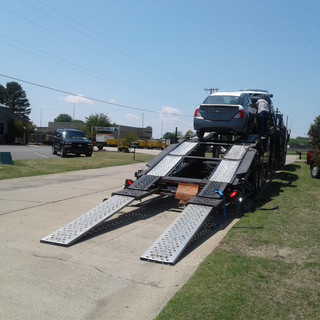
When it comes to moving vehicles safely and efficiently, containerized vehicle transport is a top choice. Whether you are relocating, selling a car across the country, or shipping a classic vehicle, understanding how this method works can save you time, money, and stress. I want to walk you through everything you need to know about containerized vehicle transport, including the benefits, how it works, and practical tips for a smooth experience.
What Is Containerized Vehicle Transport?
Containerized vehicle transport means shipping your vehicle inside a secure container rather than on an open trailer. This method offers extra protection from weather, road debris, and theft. The vehicle is loaded into a steel container, which is then sealed and transported by truck, train, or ship.
This approach is especially popular for long-distance moves or international shipping. It’s also ideal for high-value or classic cars that need extra care during transit.
Benefits of Containerized Vehicle Transport
Protection from the elements: Your vehicle stays dry and safe from rain, snow, and dust.
Security: The container is locked and sealed, reducing the risk of theft or vandalism.
Reduced damage risk: No exposure to road debris or other vehicles.
Flexibility: You can ship multiple vehicles or combine your car with household goods in the same container.
If you want to learn more about the specific equipment used, check out this car shipping container option that many companies use for secure transport.

How Containerized Vehicle Transport Works
The process is straightforward but requires some preparation. Here’s a step-by-step overview:
Choose a reputable auto transport company: Look for one with experience in containerized shipping.
Get a quote: Provide details about your vehicle, pickup, and delivery locations.
Prepare your vehicle: Clean it, remove personal items, and check for leaks or mechanical issues.
Schedule pickup: The company will arrange a time to load your vehicle into the container.
Loading: The vehicle is carefully driven or winched into the container and secured with straps.
Sealing the container: Once loaded, the container is locked and sealed for transport.
Transport: The container is moved by truck, train, or ship to the destination.
Delivery and inspection: Upon arrival, you or your representative inspect the vehicle before signing off.
This method ensures your vehicle arrives in the same condition it left, with minimal handling and exposure.
How much to ship a car from MN to CA?
If you’re wondering about the cost of shipping a vehicle from Minnesota to California, several factors come into play:
Distance: The longer the distance, the higher the cost.
Vehicle size and weight: Larger vehicles cost more to ship.
Type of transport: Containerized shipping is usually more expensive than open transport but offers better protection.
Season: Prices can fluctuate depending on demand and weather conditions.
Pickup and delivery locations: Urban areas may have different rates than rural ones.
On average, shipping a car from MN to CA via containerized transport can range from $1,200 to $2,000. It’s best to get a personalized quote from a trusted company to understand the exact cost.
Tips to Save on Shipping Costs
Book your shipment in advance.
Be flexible with pickup and delivery dates.
Compare quotes from multiple providers.
Consider terminal-to-terminal shipping if door-to-door is too costly.

Preparing Your Vehicle for Containerized Shipping
Proper preparation helps avoid delays and ensures your vehicle arrives safely. Here’s what you should do:
Clean your car: This helps with inspection and prevents dirt from causing damage.
Remove personal belongings: Most companies prohibit shipping personal items inside the vehicle.
Check for leaks: Fix any fluid leaks before shipping.
Document the condition: Take photos of your vehicle from all angles.
Disable alarms: Prevent the alarm from going off during transport.
Leave about a quarter tank of gas: Enough for loading and unloading but not too much weight.
Check tire pressure: Properly inflated tires reduce the risk of damage.
Following these steps will make the loading process smoother and protect your vehicle.
Choosing the Right Container Size and Type
Containers come in different sizes and types depending on your needs:
Standard 20-foot container: Fits most cars and small SUVs.
40-foot container: Can hold two vehicles or a vehicle plus household goods.
Open-top or flat-rack containers: For oversized vehicles or equipment.
Discuss your vehicle’s dimensions and any special requirements with your transport provider. They will recommend the best container type to ensure a secure fit.
What to Expect on Delivery Day
When your vehicle arrives, you should:
Inspect the vehicle carefully for any damage.
Compare the condition to your pre-shipping photos.
Check the container seal to ensure it hasn’t been tampered with.
Report any issues immediately to the transport company.
If everything looks good, you’ll sign the delivery paperwork and take possession of your vehicle.
Why Choose Containerized Vehicle Transport?
This method offers peace of mind. You know your vehicle is protected from weather, theft, and damage. It’s especially valuable for:
Classic or luxury cars
Long-distance moves
International shipping
Shipping multiple vehicles or combining with household goods
By choosing containerized vehicle transport, you’re investing in the safety and security of your vehicle during transit.
I hope this guide helps you understand the ins and outs of containerized vehicle transport. If you’re planning to ship a vehicle soon, take the time to research and prepare. Doing so will make the process smooth and stress-free. Remember, the right preparation and a trusted transport partner are key to a successful vehicle shipment.


Comments