


Comprehensive Guide to Car Transportation Services
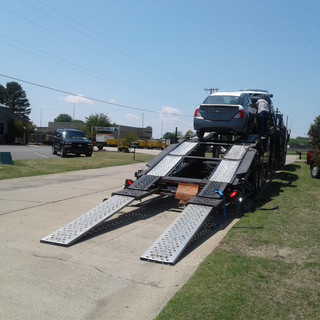
When you need to move a vehicle from one place to another, understanding car transportation services can make the process smoother and less stressful. Whether you are relocating, buying a car from a distant seller, or managing a business fleet, knowing how these services work helps you make informed decisions. I will walk you through the essentials of car transportation services, including types, costs, and tips to ensure your vehicle arrives safely.
What Are Car Transportation Services?
Car transportation services specialize in moving vehicles safely over short or long distances. These services are designed to save you time, effort, and potential wear and tear on your vehicle. Instead of driving your car yourself, you hire professionals who use specialized carriers to transport your vehicle.
There are several types of car transportation services available:
Open Transport: The most common and cost-effective method. Vehicles are loaded onto an open trailer, exposed to weather and road conditions.
Enclosed Transport: Offers protection from weather and road debris. Ideal for luxury, classic, or high-value cars.
Door-to-Door Service: The carrier picks up and delivers your vehicle as close to your specified addresses as possible.
Terminal-to-Terminal Service: You drop off and pick up your vehicle at designated terminals, often cheaper but less convenient.
Choosing the right service depends on your budget, vehicle type, and timeline.

How Car Transportation Services Work
Understanding the process helps you prepare and avoid surprises. Here’s a step-by-step overview of how car transportation services typically operate:
Request a Quote: Provide details about your vehicle, pickup, and delivery locations. Many companies offer instant online quotes.
Book Your Shipment: Once you agree on the price and terms, you schedule the pickup date.
Vehicle Inspection: Before loading, you and the driver inspect the vehicle for existing damage. This documentation protects you in case of claims.
Loading: The vehicle is carefully loaded onto the carrier. Drivers use ramps, winches, and straps to secure the car.
Transport: The vehicle is transported to the destination. You can often track the shipment online or receive updates.
Delivery and Final Inspection: Upon arrival, you inspect the vehicle again with the driver to confirm its condition.
Throughout this process, communication is key. Don’t hesitate to ask questions or request updates.
How much does it cost to deliver a car 1,000 miles?
Cost is a major factor when considering car transportation. For a distance of about 1,000 miles, prices can vary widely based on several factors:
Type of Transport: Open transport is generally cheaper than enclosed.
Vehicle Size and Weight: Larger or heavier vehicles cost more to ship.
Pickup and Delivery Locations: Urban areas with easy access tend to be less expensive than remote or hard-to-reach locations.
Season and Demand: Prices can rise during peak moving seasons or holidays.
Additional Services: Expedited shipping or door-to-door service may increase costs.
On average, delivering a car 1,000 miles might cost between $600 and $1,200. For example, shipping a standard sedan via open transport between two major cities usually falls near the lower end of this range. If you choose enclosed transport or have a specialty vehicle, expect to pay more.
To get the best price, compare quotes from multiple providers and book early when possible.

Tips for a Smooth Vehicle Transport Experience
To ensure your vehicle arrives safely and on time, consider these practical tips:
Prepare Your Vehicle: Clean your car inside and out. Remove personal belongings and disable alarms.
Check for Leaks and Mechanical Issues: Inform the transporter if your vehicle is not fully operational.
Document Existing Damage: Take photos from multiple angles before pickup.
Communicate Clearly: Provide accurate pickup and delivery addresses and contact information.
Understand the Contract: Read the terms carefully, including insurance coverage and cancellation policies.
Be Flexible with Dates: Allow some flexibility to accommodate carrier schedules and avoid rush fees.
Following these steps helps reduce stress and protects your investment.
Why Choose Professional Vehicle Transport?
Using professional vehicle transport services offers several advantages over driving the vehicle yourself or using informal methods:
Safety: Experienced drivers and specialized equipment reduce the risk of damage.
Convenience: Saves you time and effort, especially for long distances.
Cost-Effective: Avoids wear and tear, fuel costs, and potential lodging expenses.
Peace of Mind: Insurance coverage and tracking provide security.
Flexibility: Options for different vehicle types and delivery preferences.
For businesses managing fleets or individuals relocating, these benefits translate into reliable, hassle-free service.
What to Expect on Delivery Day
On delivery day, stay prepared to receive your vehicle smoothly:
Be Available: Ensure someone is present at the delivery location during the scheduled window.
Inspect the Vehicle: Walk around the car with the driver and check for any new damage.
Sign the Bill of Lading: This document confirms the vehicle’s condition and receipt.
Ask Questions: If anything seems off, don’t hesitate to discuss it with the driver or company.
If you notice damage, report it immediately to the transport company and your insurance provider.
Final Thoughts on Car Transportation Services
Choosing the right car transportation service can save you time, money, and stress. By understanding the types of services, costs, and best practices, you can confidently arrange your vehicle’s shipment. Remember to prepare your vehicle, communicate clearly, and choose a reputable company to ensure a smooth experience.
If you want a secure and reliable option, consider reaching out to trusted providers who prioritize customer satisfaction and vehicle safety. Your vehicle deserves the best care during transit, and with the right service, you can enjoy peace of mind every mile of the way.


Comments