Essential Steps for Long-Distance Car Transport Across the Country
- bmartin221
- Feb 9
- 4 min read
Shipping a vehicle across the country can seem like a daunting task, especially if you have never done it before. Whether you are relocating for work, buying a car from a distant state, or simply want to avoid the wear and tear of a long drive, understanding the process of long-distance car transport is crucial. This guide will walk you through the essential steps to ensure your vehicle arrives safely and on time.
Understanding Long-Distance Car Transport Options
Before you begin the process, it is important to familiarize yourself with the different methods available for long-distance car transport. The two most common options are open transport and enclosed transport.
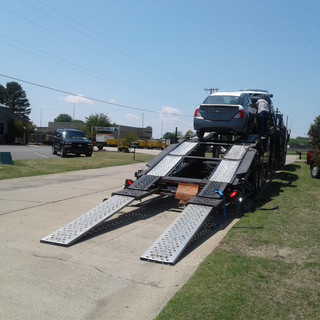
Open Transport: This is the most popular and cost-effective method. Your car is loaded onto an open trailer along with other vehicles. While this option exposes your car to weather and road debris, it is generally safe and widely used.
Enclosed Transport: This method offers more protection by transporting your vehicle inside a covered trailer. It is ideal for luxury, classic, or high-value cars but comes at a higher cost.
Choosing the right option depends on your budget, the value of your vehicle, and your personal preferences.

How to Prepare Your Vehicle for Long-Distance Car Transport
Proper preparation of your vehicle can prevent damage and ensure a smooth shipping process. Here are some practical steps to take before handing over your car to the transport company:
Clean Your Car: Wash your vehicle thoroughly. This helps you document any existing scratches or dents before shipping.
Inspect and Document: Take detailed photos of your car from all angles. Note any pre-existing damage.
Remove Personal Items: Transport companies typically do not allow personal belongings inside the vehicle. Remove all items to avoid loss or damage.
Check Fluid Levels: Ensure your car has enough fuel for loading and unloading but keep the tank less than a quarter full to reduce weight.
Disable Alarms: Turn off any car alarms to prevent them from going off during transport.
Check Tire Pressure and Battery: Tires should be properly inflated, and the battery should be fully charged.
These steps help protect your vehicle and make the shipping process more efficient.
What is the Cheapest Way to Transport a Car Across Country?
If budget is a primary concern, there are ways to minimize the cost of shipping your vehicle across the country:
Choose Open Transport: As mentioned earlier, open transport is significantly cheaper than enclosed options.
Be Flexible with Dates: If you can be flexible with your pickup and delivery dates, you may get better rates.
Terminal-to-Terminal Shipping: Instead of door-to-door service, opt for terminal-to-terminal shipping where you drop off and pick up your car at designated locations. This can reduce costs.
Compare Multiple Quotes: Always get quotes from several reputable auto transport companies to find the best price.
Avoid Peak Seasons: Shipping costs can rise during busy moving seasons like summer. Planning your shipment during off-peak times can save money.
By considering these tips, you can find affordable options without compromising on safety.

How to Choose a Reliable Auto Transport Company
Selecting the right company is critical to a successful long-distance car transport experience. Here are some factors to consider:
Check Reviews and Ratings: Look for companies with positive customer feedback on platforms like the Better Business Bureau and Transport Reviews.
Verify Licensing and Insurance: Ensure the company is registered with the Department of Transportation and has adequate insurance coverage.
Ask About Experience: Companies with years of experience are more likely to handle your vehicle professionally.
Understand the Contract: Read the terms carefully, including cancellation policies, insurance coverage, and delivery timelines.
Get a Written Quote: Avoid companies that provide vague or verbal estimates.
Taking the time to research and vet transport companies can save you from headaches and unexpected costs.
What to Expect on Shipping Day and Upon Delivery
On the day your vehicle is picked up, be prepared to:
Perform a Final Inspection: Walk around your car with the driver and note any new damage.
Sign the Bill of Lading: This document records the condition of your vehicle and is important for insurance claims.
Keep Contact Information Handy: Stay in touch with the transport company for updates.
Upon delivery:
Inspect Your Vehicle Again: Check for any damage that may have occurred during transit.
Report Issues Immediately: If you notice any problems, document them and notify the company promptly.
Complete the Delivery Paperwork: Sign off once you are satisfied with the condition of your car.
Following these steps ensures accountability and a smooth handover.
Shipping your vehicle can be a straightforward process when you know what to expect and how to prepare. If you need to ship car across country, following these guidelines will help you make informed decisions and protect your investment.
Tips for a Stress-Free Long-Distance Car Transport Experience
To wrap up, here are some additional tips to make your long-distance car transport as smooth as possible:
Book Early: Secure your spot well in advance, especially during peak moving seasons.
Communicate Clearly: Provide accurate pickup and delivery addresses and stay reachable.
Prepare for Delays: Weather and traffic can cause delays, so plan accordingly.
Keep Copies of All Documents: Maintain records of contracts, receipts, and correspondence.
Consider Additional Insurance: If your vehicle is particularly valuable, look into extra coverage.
By staying organized and proactive, you can reduce stress and ensure your vehicle arrives safely at its destination.


Comments