

Breaking Down Auto Transportation Fees: What You Need to Know
- bmartin221
- Jan 12
- 3 min read
Shipping a vehicle from one location to another can be a complex process, especially when it comes to understanding the costs involved. Auto transportation fees vary widely depending on several factors, and knowing what influences these fees can help you make informed decisions and avoid surprises. This guide breaks down the key elements that affect the price of shipping your car, offering practical advice and clear explanations.
Factors Influencing Auto Transportation Fees
When you start looking into auto transportation fees, you will notice that prices can differ significantly. Here are the main factors that impact the cost:
Distance: The longer the distance between pickup and delivery points, the higher the cost. Transporting a car across states or coast-to-coast will naturally cost more than a short local move.
Vehicle Size and Weight: Larger and heavier vehicles require more space and fuel, increasing the price. For example, shipping an SUV or a truck will cost more than a compact car.
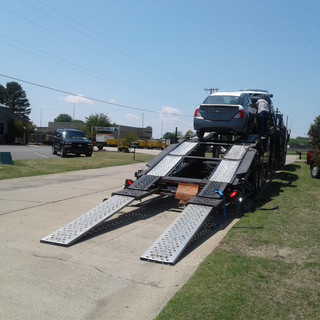
Type of Transport: Open carriers are the most common and affordable option but expose your vehicle to weather and road debris. Enclosed carriers offer protection but come at a premium.
Season and Demand: Prices fluctuate with the seasons. Summer and holiday periods often see higher demand, which can drive up fees.
Pickup and Delivery Locations: Urban areas with easy access are cheaper to service than remote or hard-to-reach locations.
Vehicle Condition: Non-running vehicles require special equipment and handling, which adds to the cost.
Understanding these factors helps you anticipate the range of fees you might encounter.

How Auto Transportation Fees Are Calculated
Auto transportation fees are not just about mileage. Carriers consider multiple elements to calculate a fair price:
Base Rate: This is the starting price based on distance and vehicle size.
Fuel Surcharges: Fluctuating fuel prices can add extra fees.
Insurance Costs: Basic insurance is usually included, but additional coverage can increase the price.
Additional Services: Door-to-door delivery, expedited shipping, or special handling will add to the cost.
Tolls and Taxes: These are passed on to the customer and vary by route.
For example, shipping a mid-sized sedan 1,000 miles on an open carrier might cost around $800, but adding enclosed transport and door-to-door service could push the price over $1,200.
How to estimate car shipping cost?
Estimating your car shipping cost is easier when you know what to look for. Here are some practical steps:
Use Online Calculators: Many auto transport companies offer free online tools where you enter your vehicle details, pickup, and delivery locations to get an instant quote.
Request Multiple Quotes: Contact several carriers to compare prices and services.
Consider Timing: If your schedule is flexible, ask about off-peak discounts.
Check Vehicle Size and Condition: Be honest about your car’s condition to avoid unexpected fees.
Ask About Insurance: Understand what coverage is included and whether you need extra protection.
By following these steps, you can get a realistic estimate and budget accordingly.

Tips to Save on Auto Transportation Fees
Saving money on auto transportation fees is possible with some planning:
Book Early: Last-minute bookings often come with higher prices.
Choose Terminal-to-Terminal Shipping: Dropping off and picking up your car at terminals can be cheaper than door-to-door service.
Be Flexible with Dates: Avoid peak seasons and weekends.
Prepare Your Vehicle: Remove personal items and ensure your car is clean and in good working order.
Negotiate: Don’t hesitate to ask for discounts or price matching.
These tips can help you reduce costs without compromising service quality.
What to Expect on Shipping Day
Knowing what happens on the day your vehicle is shipped can ease your mind:
Vehicle Inspection: The carrier will inspect your car for existing damage and document it.
Loading: Your car will be carefully loaded onto the carrier, either open or enclosed.
Tracking: Many companies offer GPS tracking so you can monitor your vehicle’s progress.
Delivery: Upon arrival, you will inspect the car again to confirm its condition.
Being prepared and understanding the process ensures a smooth experience.
Final Thoughts on Auto Transportation Fees
Understanding the breakdown of auto transportation fees empowers you to make smart choices when shipping your vehicle. By considering distance, vehicle type, transport method, and timing, you can find the best balance between cost and service. Always get multiple quotes and ask questions to avoid hidden fees. Remember, the auto shipping cost is just one part of the overall experience, and choosing a reputable carrier is equally important for peace of mind.


Comments